The Third Book Has a Title (and a Cover)
After eighteen months, two false starts, and one abandoned first-person draft, the next novel finally has a name. Here is the title, the cover, and an honest account of what took so long.
By Robert Shumake · · 2 min read
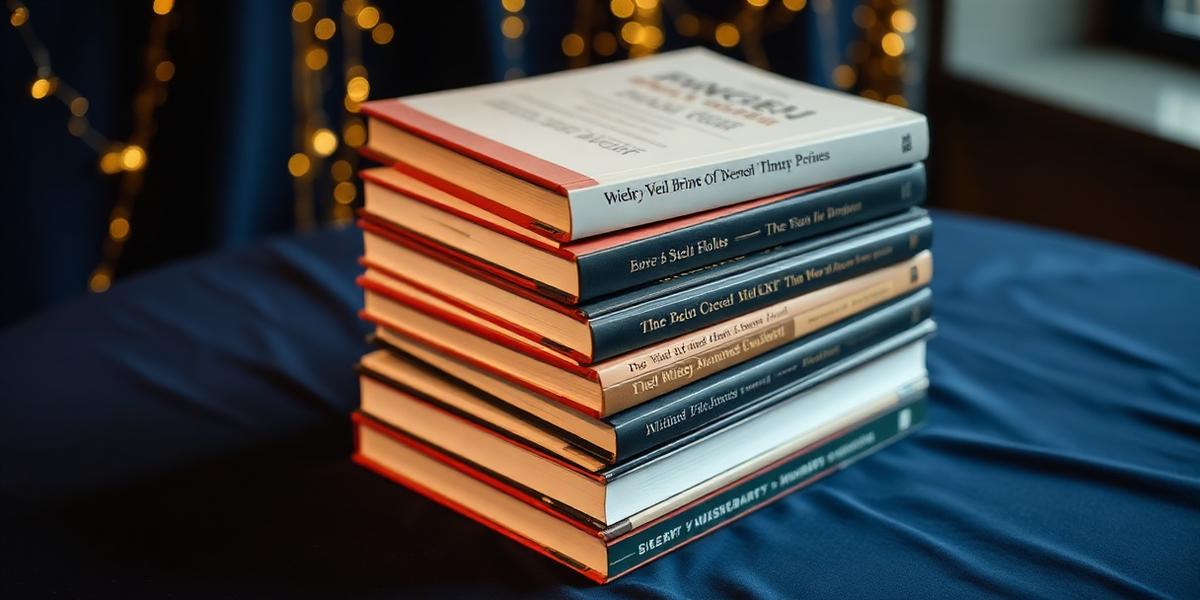
After eighteen months, two false starts, and one entirely abandoned first-person draft, the third novel has a title.
I am not going to pretend the title arrived in a flash of clarity. It arrived the way most of them do: on a list of thirty candidates, sitting quietly in position nineteen, ignored for four months until my editor circled it and wrote "this one, obviously" in the margin.
What took so long
The honest version is that I wrote the wrong book first.
The original draft was told in first person by the younger brother. It was fluent, it moved, and roughly two hundred pages in I realised the narrator was the least interesting person in the room. He had opinions about everyone else's decisions and no decisions of his own. That is a fine character. It is not a fine narrator.
Rebuilding in close third meant losing about sixty thousand words. People ask whether that is painful. It was, for a week. Then it was a relief, because the book I actually wanted had been standing behind the one I was writing the entire time, waiting to be let through.
Cutting a draft is not the same as wasting one. You paid for information, and the information was that the book had a different centre than you thought.
About the cover
The design went through four rounds. The first three all did the same thing — they illustrated the plot, and the plot is not what the book is about. The version we landed on is quieter: a single interior, mostly dark, one window with the light on the wrong side of it.
I asked the designer why it worked and she said something I have thought about since: a cover should promise the feeling, not the events. Nobody buys a novel because of what happens in it. They buy it because of what it seems like it will be like to be inside it.
What happens next
- Copyedits go back at the end of the month. This is my favourite stage and I will not be talked out of it.
- Advance copies go out to booksellers and to a small group of newsletter readers in the spring. If you want to be considered, reply to any newsletter email — that is the whole application process.
- Publication is set for autumn, with a small tour that I will announce here first.
For the people who waited
Three years between books is a long time to ask anyone to stay interested. I know some of you have written to ask whether the series was finished, or whether I had quietly stopped. I had not. I was just doing the slow, invisible, unphotogenic part.
Thank you for the patience. The book is better for having taken the time, which is the only defence any writer can offer, and in this case it happens to be true.
More soon — including the first chapter, which I will publish here before it goes anywhere else.
Stay connected
One teaching on consciousness or ancestral wisdom, one note from the desk, and early word on new books from the Living Archive Series and the Ajarn Shaman Shu collection. No spam, and one click to leave.
Related reading
More from the archive connected to “The Third Book Has a Title (and a Cover)”.
- Author's JourneyThe Long Middle: Writing When Nobody Is WatchingEveryone prepares you for rejection and for launch day. Nobody prepares you for month seven of a first draft, when the book is too big to hold and too unfinished to show anyone.
- Writing Craft & TipsThe Sentence Is the Unit of TrustReaders do not decide whether to trust you at the end of chapter one. They decide in the third sentence. Here is how I audit prose one line at a time, and why rhythm matters more than vocabulary.
- Industry NewsWhat the Backlist Boom Means for New WritersOlder titles are taking a larger share of sales every year. That is not just a statistic about catalogues — it changes what a debut needs to do, and how long a book has to find its audience.
- Reader SpotlightsThe Book Club in Flint That Read the Whole BacklistTwelve people, four months, every book I have written, in order. Then they sent me eleven pages of notes. What a group of committed readers taught me about my own work.
- Interviews & Guest PostsAn Interview With a Working TranslatorTranslators are the closest readers a book will ever have. I spoke with one about what she finds when she goes line by line through prose that was never meant to leave its own language.
- Writing Craft & TipsRevision Is a Different Job Than WritingDrafting and revising use opposite instincts, and most writers try to do both with the same brain. Here is the four-pass system I use to keep them apart.
- Writing Craft & TipsThree Acts Is Not a Formula, It Is a DiagnosisStructure templates get a bad reputation because writers use them as blueprints. They are far more useful as diagnostic tools applied after a draft exists.
- Writing PromptsFive Prompts for a Scene That Refuses to MoveNot prompts for starting something new — prompts for the scene you already have, the one where two characters keep talking and nothing happens. Each takes fifteen minutes.
Comments
- No comments yet. Yours would be the first.
Keep reading

The Sentence Is the Unit of Trust
Readers do not decide whether to trust you at the end of chapter one. They decide in the third sentence. Here is how I audit prose one line at a time, and why rhythm matters more than vocabulary.
August 10, 2026 · 3 min read

The Long Middle: Writing When Nobody Is Watching
Everyone prepares you for rejection and for launch day. Nobody prepares you for month seven of a first draft, when the book is too big to hold and too unfinished to show anyone.
July 28, 2026 · 2 min read

What the Backlist Boom Means for New Writers
Older titles are taking a larger share of sales every year. That is not just a statistic about catalogues — it changes what a debut needs to do, and how long a book has to find its audience.
July 20, 2026 · 2 min read